
Women, Stress, and Alcohol
A Gentle Pause for Reflection
Let’s start with honesty.
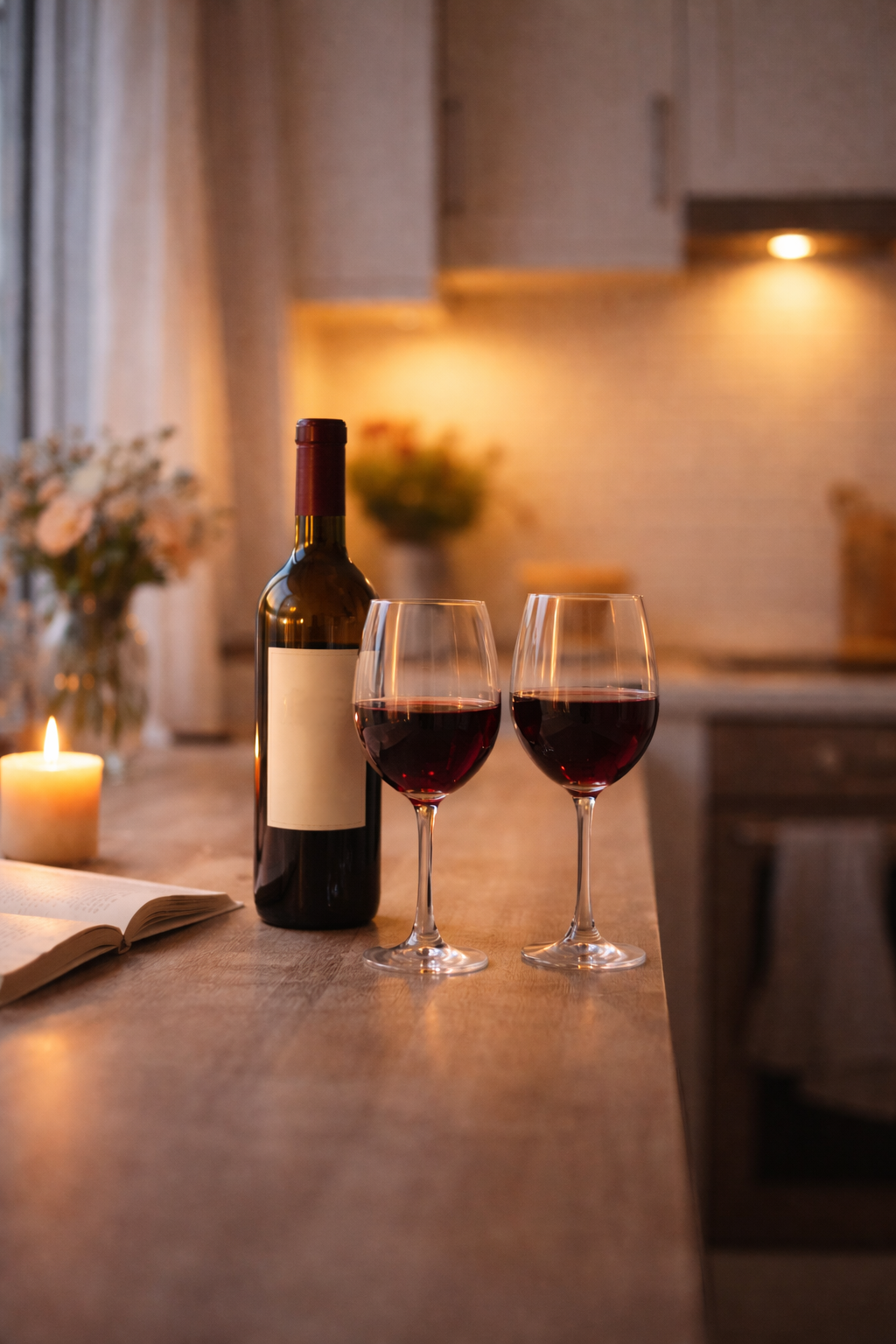
For many women, that evening glass of wine isn’t about partying. It’s about exhaling. The house is finally quiet. The emails have stopped. Everyone else’s needs have been met. You pour a drink and think, “I’ve earned this.”
And in many ways, you have.
This isn’t about shame. It’s about awareness. And choice.
A Gentle Reality Check
NHS Scotland suggests that regularly drinking more than 14 units a week can increase the risk of longer-term health concerns. That’s roughly six medium glasses of wine spread across the week, with some alcohol-free days.
Drinkaware also notes that alcohol can affect women more quickly than men because women’s bodies tend to process alcohol differently. Even smaller amounts can have a stronger impact over time.
These aren’t dramatic warnings. Just gentle reminders that our bodies deserve care.
The Weight Many Women Carry
Modern life asks a lot of women.
You might be managing work, children, a relationship, a household, ageing parents, friendships, and finances. Even when no one can see it, you’re often holding the emotional load of the whole family.
It's often unnoticed work, expected but rarely appreciated. And it can be exhausting.
When your nervous system is constantly in overdrive and the chatter in your mind feels overwhelming, it's completely natural to seek ways to find some peace. It's easy to reach for something that helps you disconnect and relax.
Alcohol can feel like that switch.
When Relief Becomes Routine
At first, it may seem harmless.
A glass of wine while cooking.
A drink to celebrate the end of the day.
Something to ease the anxiety buzzing in the background.
But over time, something subtle can change. What began as a choice can start to feel like a necessity.
What was once occasional can become a nightly routine.
What felt like relief can quietly turn into the only way you know how to relax.
The Emotional Cycle
Alcohol can temporarily soften stress and anxiety.
However, both NHS Scotland and Drinkaware explain that alcohol is a depressant. While it may help you drift off to sleep, it can reduce the quality of that sleep. Poor sleep can leave you feeling more anxious or low the next day.
The question isn’t “What’s wrong with me?”
It’s “What do I actually need?”
A Gentle Invitation to Reflect
If this resonates, I’m not asking you to suddenly give anything up.
Instead, I’d invite you to get curious.
When do I most want a drink?
What am I feeling in that moment?
If alcohol weren’t an option, what would I truly need instead?
How do I feel the next morning?
Even one alcohol-free evening a week can offer insight.
All of it is information. None of it is failure.
Moving Toward Something Healthier
Change doesn’t have to be dramatic. It can be small and steady.
NHS Scotland encourages having several alcohol-free days each week. Many women find that even small reductions improve sleep, clarity, and emotional steadiness.
You don’t have to do everything at once.
You can simply choose to feel better, nurture yourself, and fuel your body with what serves it.
Final Thoughts
Women have carried so much for so long. It makes sense that many are tired.
Facts can guide us. But compassion sustains us.
You are allowed to choose clarity.
To choose steadiness.
To choose support.
To choose yourself.
Change rooted in self-compassion lasts far longer than change driven by shame.
And you deserve this!!!
Sources
NHS Scotland. Alcohol guidelines and health information.
Drinkaware. Alcohol and women’s health.