
When My World Started to Make Sense
Severe Anxiety and Low Mood Before My Period
For as long as I can remember, I felt dread every month. Our monthly period. A normal part of life, I thought. But for me, it was at times crippling.
If I knew then what I know now, things might have been a bit easier.
“I feel really anxious when I’m due my period,” I would tell other women.
“I get that too.”
“I feel really down.”
“Me too.”
So I began to believe feeling this bad was perfectly normal. Maybe I was the one who just couldn’t handle it.
The Questions That Might Have Revealed PMDD Sooner
Those were the questions nobody asked. Tiny questions that might have revealed something much bigger, much sooner.
Because feeling so low that you question your whole existence and have thoughts of not being here anymore deserves urgent support. So does anxiety that leaves you terrified, crying several times a day and overwhelmed.
For almost two weeks of every month, I survived. When my period started, I could feel the pressure releasing from my whole body. The relief was enormous.
Then the cycle repeated.
Perimenopause and Worsening Symptoms
Until that relief became further and further apart. Yup. The big, horrible, soul-destroying perimenopause. Just when I thought I couldn’t feel any worse.
My struggle ramped up. If I’m being completely authentic, my kids were what kept me going. Every day I just did my best to get through. That's not living; that’s surviving.
My PMDD Diagnosis at 44 and Sensitivity to Hormonal Changes
I think my periods started at 13. I first remember visiting the GP about these symptoms in my early twenties, then returning every few years with the same story.
I was told I had anxiety.
At 44, I was diagnosed with premenstrual dysphoric disorder: PMDD.
I was offered treatment to temporarily induce menopause, often called chemical menopause. I initially agreed, then decided against it because of concerns about side effects.
It was explained to me that my brain was struggling with hormone fluctuations. More precisely, PMDD may involve increased sensitivity to normal hormonal changes its causes are not fully understood.
Having a name gave me somewhere to begin. I could learn about women’s health, understand my experiences and seek treatment that suited me.
Late Diagnosed ADHD and the Link With PMDD
Then came another diagnosis: ADHD.
Another deep dive. Reading research, speaking to hundreds of women and recognising patterns I hadn’t understood before.
Research is beginning to reflect these experiences. A 2025 study found more symptoms meeting screening criteria for possible PMDD among women reporting an ADHD diagnosis than among those without ADHD. That suggests an association, rather than proving ADHD causes PMDD.
For me, understanding both conditions helped my world make more sense.
Discovering DITTO and Its Information About PMDD and ADHD
Recently, a client mentioned DITTO. Naturally, I went looking.
What caught my attention was the space they give to experiences like mine. Their online journal covers PMDD, ADHD, neurodivergence and perimenopause, discussing research into connections that many of us have spent years trying to understand.
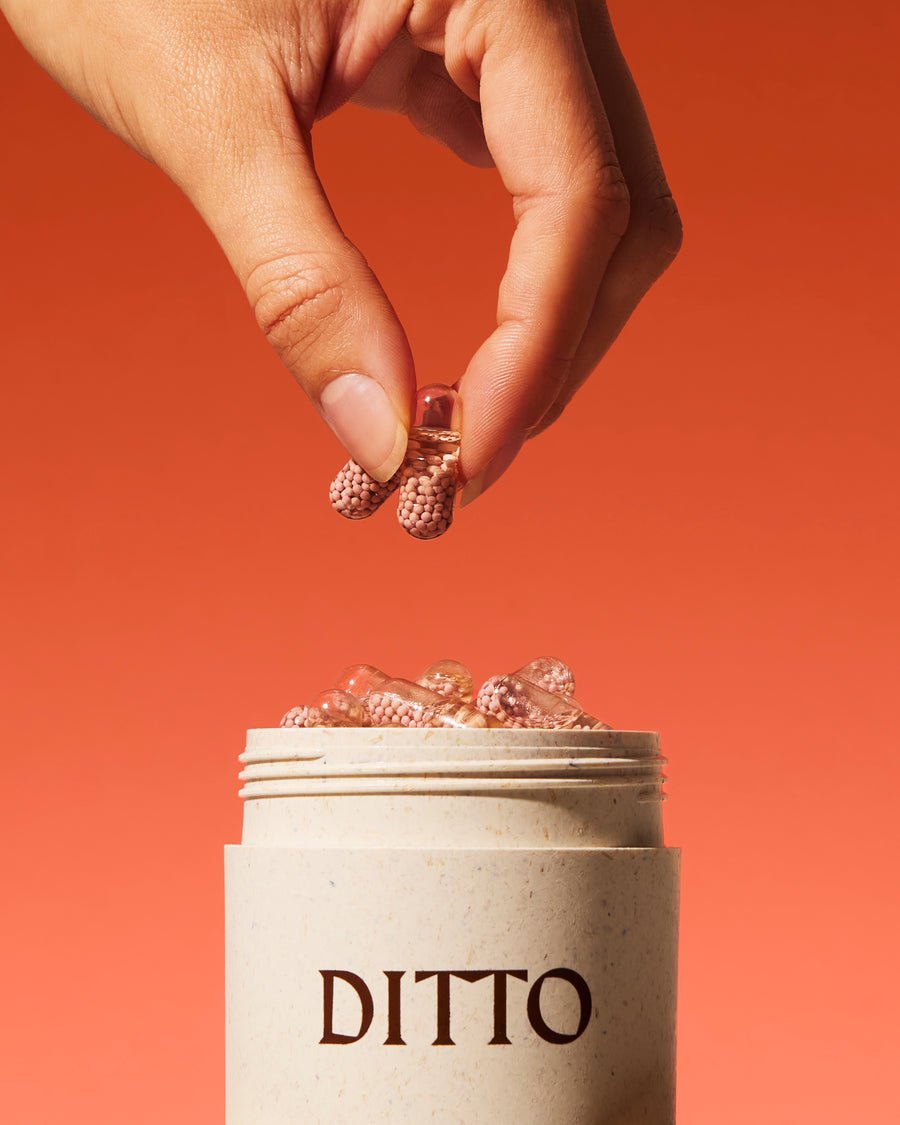
DITTO also sells Premenstrual Daily, a food supplement containing nutrients and botanical ingredients, including magnesium, vitamin B6 and saffron. DITTO should not be used as a proven treatment for PMDD or a replacement for individual medical care.
I shared their details with people who were struggling, and I've heard nothing but positive experiences. I then emailed DITTO about my own story and thanked them for the support they are providing to women and finally giving us a voice to understand what is going on. I received a lovely reply. Which speaks volumes. They also shared a code with me to share with others www.dittodaily.com/Selfdiscovery
Even if you have no interest in supplements, you can explore their articles; they are so empowering.
Getting Support for PMDD and Perimenopause
With the right treatment for me, I am much, much better. I still have the occasional day that sharply reminds me how awful it felt.
If this sounds familiar:
Keep a daily symptom diary for at least two menstrual cycles to discuss with your GP. Explain how symptoms affect work, relationships, parenting and feeling safe.
Discuss PMDD, perimenopause and whether a specialist referral would help.
You do not need to wait until you have a complete diary if you need help now.
Let’s ask each other: How down, anxious, tearful, paranoid or angry do you feel? And: How much is this affecting your life?
I’m bewildered that so many of us have had to piece this together ourselves. Research and treatment exist, yet my experience shows how long recognition can take.
We deserve to be heard sooner. We deserve questions that go beyond “I get that too.”
Please share this with anyone who is struggling. We need to know about hormones and their impact.
You matter!!
We matter!!
This is my experience, not individual medical advice. If you feel unable to stay safe, seek emergency help now. In the UK, call NHS 111 or Samaritans on 116 123.