
What Did a Late ADHD Diagnosis Feel Like for Me?
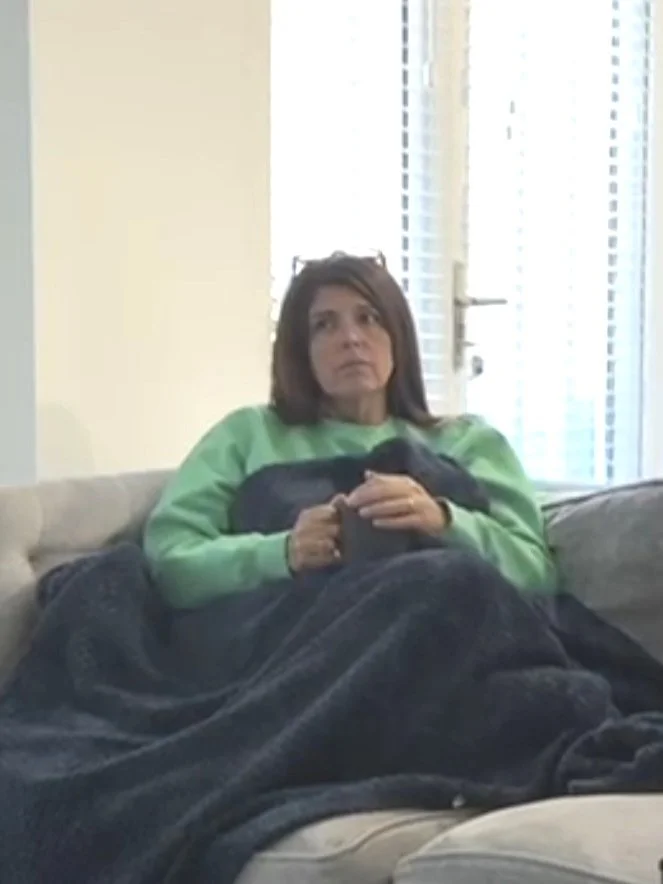
October is ADHD Awareness Month, and I want to share what a late diagnosis felt like for me. Years of trying to figure myself out, getting things wrong, and appearing put together while feeling frazzled behind the scenes.
Awareness matters because we cannot see so much from the outside. I hope sharing my experience helps someone feel less alone and begin to understand themselves with compassion and acceptance.
What did a late ADHD diagnosis feel like for me?
It brought understanding, but also grief, anger and questions I had not expected. I needed time to make sense of it before I was ready for anyone else’s opinion.
I am not sure what came first: training as a therapist or perimenopause. Was it the self-awareness that came with my training, the hormonal shift, or both?
All I knew was that something deep within me had changed. Even as I grew, I was also crumbling.
Not long after I turned forty, overwhelm arrived in abundance. The ways I had always kept myself going no longer worked. If I had to put one word to how I felt, it would be scared.
I noticed that whenever my hormones shifted, my anxiety seemed to ramp up and my mood could plummet. Things I had managed the week before suddenly felt enormous.
I remember talking with a medical practitioner about how we ask people about anxiety and low mood. It is easy to say, “We all feel anxious sometimes.” Of course we do, but what does anxious mean to the person sitting in front of you?
How anxious do they feel? How low is their mood? How much is it affecting their everyday life?
We need space for those questions. Being told that everyone feels anxious can leave someone believing they should cope when their experience deserves attention.
What made me consider ADHD for myself?
Supporting a family member through their diagnosis helped me recognise parts of my own experience. Learning that hyperactivity could be internal challenged everything I thought I knew about ADHD.
A mind that rarely quiets. Thoughts moving constantly, even when the person sitting in front of you looks perfectly still.
That was when things began to click.
Most of what I thought I knew about ADHD came from how it was described in boys and men. I had worked in education, and I recall conversations about ADHD and autism being “really unusual” in girls.
Excuse the language, but what a load of bollocks.
Looking back, I wonder how many girls were struggling quietly. How often did we see someone who appeared to be coping without noticing the effort underneath?
As I learned more to support my family member, there were a lot of “oh” moments.
“Oh, I do that.”
“Oh, I do that too.”
And sometimes, “I want to do that, but I have learned it is not socially acceptable.”
What if I don’t have ADHD?
Before my assessment, I questioned whether ADHD could explain my experience. I had lived with it for so long that I assumed everyone’s mind worked much like mine.
What if I don’t have it? What if I think I do? Everyone does these things, don’t they?
Or was it just everyone in my world?
I could not see how much effort it took to appear as though I was managing. Trying harder had become so familiar that I rarely stopped to question what it cost me.
Why did the diagnosis hit so hard?
It helped me understand things that had confused me for years. It also made me grieve for the younger me who had worked so hard without knowing why.
Reality hit, and it hit hard.
I grieved for the exhaustion of trying to figure it all out. For the social gatherings I found overwhelming, the times I felt too much, and the moments when I blamed myself for finding something difficult.
And I was angry. Why had nobody recognised it before? Did life have to be this hard?
I needed time to understand what the diagnosis meant for me. I was still the same person, with the same history, struggles and things I was good at.
But I now had a chance to look at that person with more compassion.
At first, I told only a few people close to me. I wanted to decide for myself how to navigate what came next.
Then everyone and their granny seemed to have their two cents’ worth. I hadn't asked for an opinion, but that didn't stop anyone.
“But you’re so calm”
I might look calm. That does not mean it is calm behind the scenes.
My head is rarely quiet. Who knew that not everyone talks through their day 126 times in their head?
I wrote about that busy internal world in How Did I Not Know I Had ADHD? 678 Thoughts During a Massage. Apparently even a massage can become an opportunity to think about everything at once.
“But you’re clever”
I am still not entirely sure what people mean by this. Having ADHD says nothing about whether someone is intelligent.
I know a great deal about my work and the subjects that interest me. Ask me to sit a general knowledge test, and I might have a different story to tell.
I am okay with that.
“But you’re never late”
No, I am usually early now.
In high school, I was late nearly every day and got a punishment exercise every week. It didn't change my timekeeping. I was still late nearly every day.
I knew when school started. Working out how long it took to get ready and to make the 3-minute walk was the hard part. I never mastered this by the time I left.
As an adult, I became so anxious about being late that I started arriving early. My brain now thinks a five-minute drive needs a thirty-minute allowance.
From the outside, that looks like excellent timekeeping. It does not show what it costs me.
Why did social gatherings feel so overwhelming?
For me, a large gathering could involve so much anticipation and planning that I felt overwhelmed before I even arrived. Understanding my experience helped me approach it with less blame and more kindness.
I love socialising with my tribe. Large gatherings with unfamiliar people are different. I don’t like them.
What will I wear? How will I get there? Where will I sit? Who will I speak to?
There's so much to work out before I even leave the house. Then comes the worry about what I said, whether I talked too much, or whether I got something wrong.
Looking together does not tell you how someone feels inside.
“Everyone has ADHD now”
That comment is not helpful when you have spent years hiding how hard things feel.
Here is something that surprised me: I seem more ADHD since my diagnosis. How did that happen? I would put money on the fact that so many people can relate to this.
I think it is because I mask less now. I notice things I once pushed through or explained away.
I had become so good at covering up my difficulties that I even hid them from myself.
The most inappropriate time to begin writing a blog
I started writing this at 4.43 am the morning I was dropping a family member off at the airport. I had to collect them in 17 minutes, and I decided this was the moment to start a blog.
Is this not what everyone does?
Honestly, I did not want to pick them up. The words had arrived, and I wanted to keep going.
Stopping felt harder than it sounds. But I paused, went back and returned to the writing later.
Perhaps that little moment says more about my experience than any tidy definition could.
What do I understand now?
My diagnosis gave me a kinder way to understand myself and recognise where I need support. I am still learning, but I no longer want self-criticism to lead the way.
So what if I get distracted while putting the washing away? It will still be there.
And yes, I may have a brilliant new plan that I follow for two weeks. I already know that about myself; nobody needs to remind me.
When something interests me, I will learn everything about it. And I mean everything. That curiosity and depth of knowledge have served me well in my role as a therapist. I would probably make a decent nutritionist, since I have done every diet known to man for approximately two weeks. I also know a fair bit about skin treatments, booking holidays, quite a few medical conditions and dogs.
I can acknowledge what is hard and appreciate the parts of myself that have helped me grow.
Why I am sharing this during ADHD Awareness Month
I know what it feels like to search for something, anything, that might finally “fix” you. That is part of why I feel so passionate about helping people understand themselves.
We are not broken. We do not need fixing. We deserve understanding, practical support, compassion and acceptance.
If you feel frazzled behind the scenes, I see you. If you are beginning to make sense of your own experience, you are allowed time to do that.
This October, I want us to make more room for honest conversations about ADHD. Conversations that leave people feeling heard, not judged.
If a gentle place to reflect would help, feel free to have a look at my Living with ADHD workbook, which offers space to explore your experience and practical tools at your own pace.
Pause. Notice. Understand. Choose.
You matter!!